Best Time to Visit Saudi Arabia: A Season-by-Season Guide
Saudi Arabia is a big country with very different climates, so the best time to go depends on where you are headed. The short answer: winter, from about November to March, is the easiest season for almost every itinerary. There are good reasons to travel in other months too, and one region that shines in summer.
Winter (November to March): the safe bet
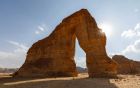
Days in Riyadh, Jeddah and AlUla are warm to mild, usually comfortable for walking tours, museum visits and desert excursions. This is also when most festivals and outdoor events take place, from concerts in the capital to arts and heritage programs in AlUla. The trade-off is that it is the busiest and priciest season, so book flights, hotels and site visits early.
Pack layers. Once the sun goes down, the desert cools quickly, and nights in AlUla and the northern regions can be genuinely cold. A light jacket for evenings in Riyadh and a warm layer for stargazing camps are worth having.
Spring (March to May): warm, with a few caveats
Spring brings longer days and rising heat. Riyadh and the central plateau can see dust and sandstorms at this time of year, which can cut visibility and disrupt outdoor plans, so keep your schedule flexible. Early spring is still a fine time for AlUla and Riyadh. By May, midday heat is enough to push sightseeing into the early morning and late afternoon.
Summer (June to September): hot, except in the highlands
Inland cities such as Riyadh regularly pass 104°F (40°C) in summer, and the Red Sea coast around Jeddah adds heavy humidity on top of the heat. Most visitors skip these months, and outdoor sightseeing is limited to early mornings and evenings. The exception is the Asir region in the southwest. Around Abha and Rijal Almaa, the elevation keeps temperatures much lower, with green terraces, mist and seasonal rain. If you want a summer trip, this is where to look.
Autumn (October to November): the shoulder season
By late October the worst of the heat breaks. Days are still warm, evenings are pleasant, and crowds are lighter than in midwinter. It is a good moment for first-time visitors who want good weather without peak-season pricing.
Ramadan and public holidays
Ramadan moves about 10 to 11 days earlier each year on the Gregorian calendar. During the month, daytime dining is limited, many attractions shift to evening hours, and cities come alive after sunset. It is a rewarding time to visit if you enjoy the atmosphere, but plan around shorter opening hours and check timings before you book tours. Eid holidays bring a wave of domestic travel, so expect higher prices and fuller hotels.
Match the season to your route
- Riyadh and central Saudi Arabia: November to March for comfortable sightseeing; avoid May to September for outdoor plans.
- AlUla and the northwest: October to April, with cold nights in midwinter.
- Jeddah and the Red Sea coast: November to March; summers are hot and humid.
- Asir highlands (Abha, Rijal Almaa): workable most of the year, and the coolest option in summer.
Not sure how to combine regions? Browse our Saudi Arabia travel packages to compare routes by length and region.