Can Non-Muslims Visit Makkah or Medina?
Can Non-Muslims Visit Makkah or Medina? Essential Information for Travelers
Makkah and Medina are two of the most revered cities in Islam, drawing millions of Muslim pilgrims and visitors each year. Their names evoke images of spiritual devotion, ancient history, and breathtaking architecture. For many travelers, the question arises: can non-Muslims visit Makkah or Medina? This comprehensive guide explores the religious, historical, and practical aspects of visiting these holy cities, what restrictions exist, and what alternatives are available for non-Muslim travelers eager to experience Saudi Arabia’s rich heritage.
The Significance of Makkah and Medina in Islam
Makkah, home to the Kaaba within Masjid al-Haram, is considered the holiest city in Islam. Every year, millions of Muslims journey here for Hajj and Umrah pilgrimages, fulfilling a central tenet of their faith. Medina, the city of the Prophet Muhammad’s mosque and his final resting place, holds the second highest status in Islam. The unique religious significance of these cities is rooted in centuries of history, tradition, and spiritual practice. For devout Muslims, visiting Makkah and Medina is a life-changing experience that connects them to the origins of their faith and the broader Muslim community.
Access Restrictions: Who Can Enter Makkah and Medina?
Saudi Arabian law strictly regulates entry to the holy cities of Makkah and Medina. Non-Muslims are not permitted to enter the boundaries of Makkah under any circumstances. This restriction is enforced by religious and civil authorities, with clear signage and checkpoints on all roads leading to the city. In Medina, the rules are slightly more flexible; non-Muslims may enter the city itself but are prohibited from entering the Prophet’s Mosque (Al-Masjid an-Nabawi) and its immediate surroundings. These restrictions are rooted in Islamic law and tradition, intended to preserve the sanctity of the holy sites for Muslim worshippers.
Historical Background of Entry Restrictions
The prohibition on non-Muslims entering Makkah and the Prophet’s Mosque in Medina dates back to the earliest days of Islam. Religious texts and centuries-old practices have established these cities as exclusive sanctuaries for Muslims. The Quran refers to Makkah as a sacred precinct, and subsequent Islamic scholars and rulers have maintained these boundaries. Over time, the Saudi government has formalized these restrictions, integrating them into modern laws and border controls. While some historical accounts suggest that a few non-Muslims managed to enter these cities in disguise during earlier centuries, such incidents are rare and not condoned by authorities.
Enforcement and Security Measures
Saudi authorities take the enforcement of entry restrictions very seriously. Checkpoints staffed by police and religious officials monitor all major roads leading into Makkah, verifying the religious status of travelers. Pilgrims and visitors must present documentation, such as Hajj or Umrah permits, and proof of Muslim identity. In Medina, security is particularly tight around the Prophet’s Mosque, with non-Muslims directed away from the mosque’s boundaries. Violating these restrictions can result in fines, deportation, or more severe penalties. For travelers, it is crucial to respect these laws and plan itineraries accordingly.
Alternatives for Non-Muslim Travelers in Saudi Arabia
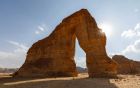
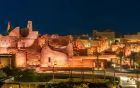
While non-Muslims cannot enter Makkah or the central religious precincts of Medina, Saudi Arabia offers a wealth of cultural, historical, and natural attractions open to all. Cities like Riyadh, Jeddah, and AlUla showcase the kingdom’s diverse heritage, from ancient ruins and UNESCO World Heritage sites to contemporary art and architecture. The Red Sea coast offers stunning beaches and diving opportunities, while the Empty Quarter desert promises adventure and breathtaking landscapes. Non-Muslim travelers can immerse themselves in Saudi culture, cuisine, and hospitality across much of the country.
For those interested in exploring Saudi Arabia’s ancient wonders, an AlUla 4-Day Private Tour offers a unique opportunity to visit Hegra, Dadan, and the stunning Sharaan area, all accessible to non-Muslim visitors.
Experiencing the Spiritual Atmosphere from Afar
Even if entry to Makkah and the Prophet’s Mosque in Medina is not possible, non-Muslim travelers can still experience the spiritual energy of these cities in other ways. Viewing the city of Makkah from the surrounding hills or visiting the outskirts of Medina allows travelers to appreciate the significance of these locations. Many museums and cultural centers in Saudi Arabia provide detailed exhibits on Islamic history, the Hajj pilgrimage, and the architectural marvels of the holy mosques. Documentaries, virtual tours, and exhibitions offer further insights, helping non-Muslims gain a deeper understanding of the spiritual and cultural importance of Makkah and Medina.
Day Tours and Guided Experiences in Makkah’s Vicinity
While direct access to Makkah is restricted, non-Muslim travelers can explore the surrounding regions, which are rich in history and culture. The areas around Makkah feature traditional villages, mountain landscapes, and archaeological sites that offer glimpses into the ancient Arabian Peninsula. Guided tours departing from Jeddah or Taif often include stops at locations just outside Makkah’s boundaries, providing context and history without entering the holy city.
For Muslims seeking to explore the holy sites, options like Makkah Holy Sites Tour provide a structured way to visit key religious locations such as Arafat and Mina, locations central to the Hajj pilgrimage.
Visiting Medina: What Non-Muslims Can See and Do
Unlike Makkah, the city of Medina is partially accessible to non-Muslims. While entry into the Prophet’s Mosque and its immediate vicinity is prohibited, the broader city welcomes visitors of all backgrounds. Medina is home to vibrant markets, historical museums, and beautiful parks. The city’s old quarters and Ottoman-era architecture offer a glimpse into its storied past. Non-Muslims can explore the city’s cultural heritage, local cuisine, and hospitality, making it a rewarding stop on any Saudi itinerary. Respect for local customs and dress codes is essential to ensure a positive experience.
Planning Your Saudi Arabia Itinerary as a Non-Muslim
When planning a trip to Saudi Arabia, non-Muslim travelers should be aware of the entry restrictions to Makkah and the Prophet’s Mosque in Medina and design their itineraries accordingly. Focus on destinations that are open to all, such as Riyadh’s museums, Jeddah’s historic Al-Balad district, and the awe-inspiring landscapes of AlUla. Many tour operators offer packages that highlight these accessible regions. For example, the AlUla Holiday Package provides a comprehensive introduction to Saudi Arabia’s archaeological wonders, perfect for non-Muslim travelers seeking adventure and discovery.
Respecting Local Customs and Religious Sensitivities
Saudi Arabia is a deeply religious country with customs and traditions that may differ from those of Western nations. Visitors should dress modestly, avoid public displays of affection, and refrain from photographing individuals without permission. During prayer times, many businesses close temporarily, and the call to prayer echoes through city streets. Non-Muslims are expected to respect these practices, especially when visiting areas near mosques or religious sites. Learning a few basic Arabic greetings and familiarizing oneself with local etiquette can enhance cultural understanding and foster positive interactions with Saudi hosts.
Frequently Asked Questions
Can non-Muslims enter Makkah at all?
No, non-Muslims are strictly prohibited from entering the city of Makkah. This restriction is enforced by Saudi authorities, and entry is only permitted for Muslims with appropriate documentation.
Are non-Muslims allowed anywhere in Medina?
Non-Muslims can visit the city of Medina but are not allowed to enter the Prophet’s Mosque or its immediate surroundings. The rest of the city, including markets, museums, and public areas, is accessible to all visitors.
What happens if a non-Muslim tries to enter Makkah or the restricted areas of Medina?
Attempting to enter Makkah or the restricted precincts of the Prophet’s Mosque as a non-Muslim can result in fines, deportation, or other legal consequences. Saudi authorities have checkpoints and strict enforcement measures in place.
Are there any tours or experiences near Makkah for non-Muslims?
Yes, non-Muslim travelers can explore the regions surrounding Makkah, which offer historical sites, scenic landscapes, and cultural experiences. However, they must not cross into the city’s restricted boundaries.
What are the best destinations in Saudi Arabia for non-Muslim travelers?
Top destinations include Riyadh, Jeddah, AlUla, the Red Sea coast, and the Asir Mountains. These areas offer rich history, stunning natural beauty, and vibrant local culture, all accessible to visitors of any faith.
How can non-Muslims learn more about Makkah and Medina without visiting?
Non-Muslims can explore museums, watch documentaries, participate in virtual tours, and read books about Islamic history and the significance of these holy cities. Many cultural centers in Saudi Arabia provide detailed information and exhibits for international visitors.